
Insitely for Transactions

Transaction-ready financial data, without the Excel archaeology.

A deal stands or falls on numbers that survive scrutiny. Getting there usually means exporting period after period from the accounting package, stitching the exports together by hand, and rebuilding the same analysis from scratch for every new file.

What you end up working with:

  • A profit and loss statement with the EBITDA bridge made explicit
  • Net debt and working capital calculated from the ledger, not reconstructed
  • Cashflow, receivables and payables ageing
  • Output to Power BI and Excel, so it fits the reporting you already use

One-off fee, six months of access. No implementation project, no consultancy trajectory.

Get in touch
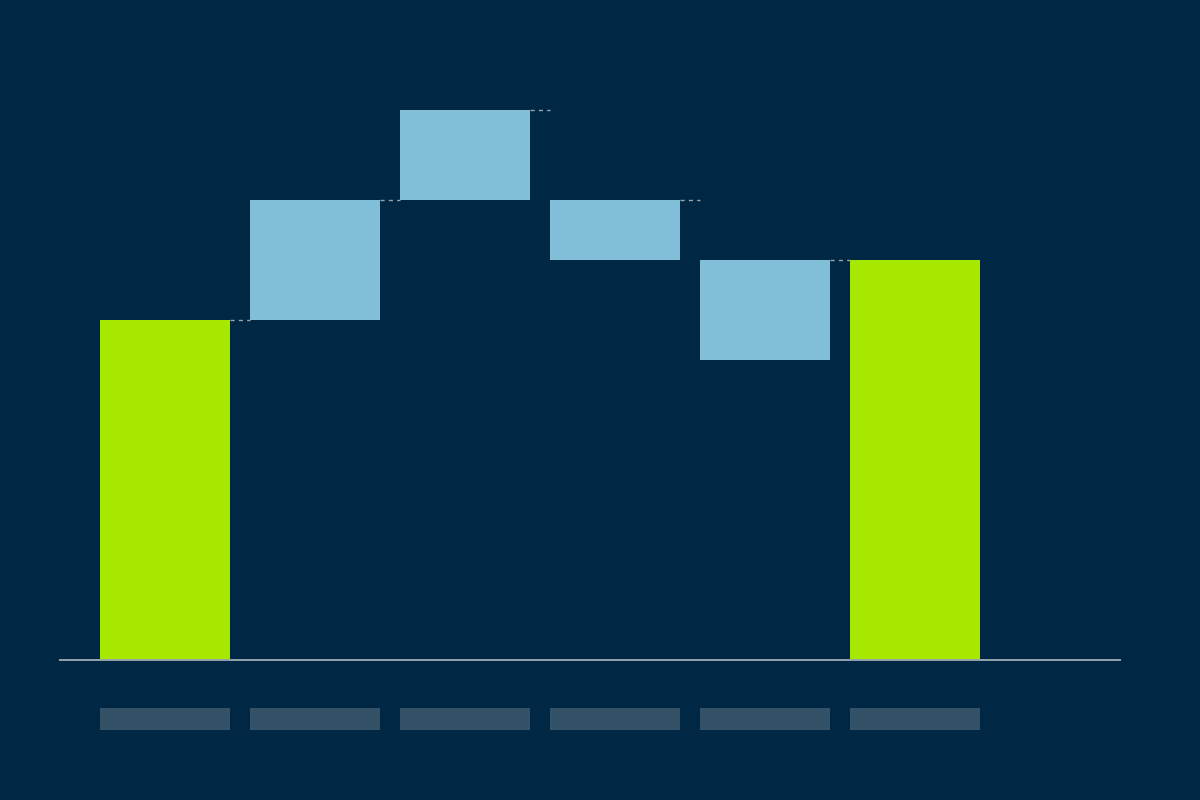
EBITDA bridge from reported EBITDA to normalised EBITDA, showing each adjustment and the basis for it

Insitely turns the general ledger of a target company into a structured dataset. Every account is mapped to the Belgian MAR chart of accounts, so every file follows the same logic and two deals stay comparable. Seller, buyer and advisor work in that same environment, on one set of figures.

Customer review

“Roel is a sharp, analytical and mathematical data expert who has contributed significantly to data organization of Metagenics. He has set up and integrated complex data sets from international entities and integrated acquisitions successfully.”

Carl Staelens Metagenics

Most tools are single player

Reporting platforms, consolidation software, CFO dashboards. Each of them is built for one party, working on its own data, for its own purpose.

In a transaction there are at least three parties looking at the same company. Seller, buyer and advisor each rebuild the analysis separately, in their own model, on their own definitions. That is where the argument about which version is correct begins, and it usually surfaces at the worst possible moment.

One shared financial truth

Insitely puts all three in the same environment. The seller decides what gets shared. The buyer analyses exactly that. The advisor guides both sides on the same figures.

That is what trust in a deal actually rests on. Not a nicer report, but both sides reading the same ledger.

No discussion about definitions, because there is only one set. No question of which version is the right one, because there is only one version.

That is the difference. Not a faster export, but a file both sides can stand behind.

What a transaction file contains

EBITDA structure

Every step from operating result to adjusted EBITDA stays visible. Each adjustment traces back to the accounts it came from, so the discussion moves from the total to the individual line.

Net debt & working capital

Calculated from the general ledger on one definition across all periods. This is the basis of the price adjustment mechanism, so it needs to hold up line by line.

Cashflow & ageing

Where the cash actually moved, and how long it takes to arrive. Receivables and payables ageing show the working capital behaviour behind the balance sheet position.

How these numbers are discussed in a due diligence

Buy side

You inherit a data room built by someone else. The numbers arrive in the seller’s format, the definitions shift between periods, and the first two days go into making the file comparable at all.

Starting from the ledger removes that step. The mapping is fixed, the periods line up, and the questions you actually want to ask can start on day one.

Sell side

A vendor due diligence works best when the awkward questions surface before the buyer asks them. Normalisations that look defensible in your own model can look very different under someone else’s.

Preparing the file on the same structure a buyer would use shortens the discussion and keeps the surprises on your side of the table.

Want to run this on a live target company? Start a two-week trial. We get in touch before it runs out. Nothing is charged automatically.

Start your trial

Looking for crystal-clear financial insights?
Let Insitely transform your questions into strategy!

First
Last